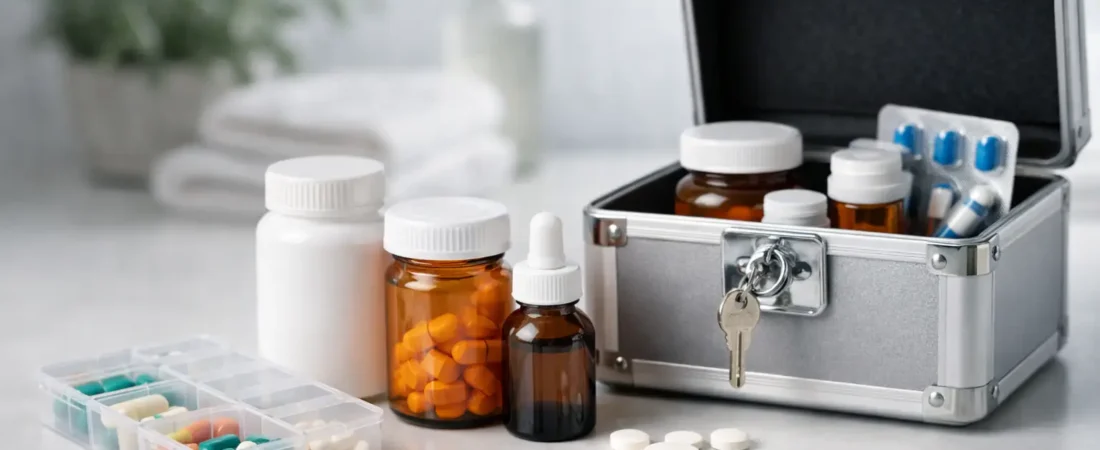
A bottle left on a sunny kitchen counter, a weekly pill organizer in a steamy bathroom, or two similar-looking packages in the same drawer can turn a simple medicine routine into a problem. Knowing how to store everyday medications helps protect their effectiveness, prevent accidental use, and make busy household health care easier to manage.
The best system is usually simple: follow the label, keep medicines in their original containers when possible, and give every item a consistent, secure home. A few practical habits can save time and hassle when you need relief quickly.
Start With the Label, Not a Storage Assumption
Medication labels are the most reliable source for storage instructions. Many everyday products, including pain relievers, allergy medicines, cold and flu treatments, antacids, and vitamins, should be kept at controlled room temperature. In most homes, that means a cool, dry place away from direct sunlight and heat.
Do not assume that all medicine belongs in the refrigerator. Refrigeration can damage products that are meant to stay at room temperature, especially if moisture or freezing becomes a concern. Only refrigerate a medication when its label or pharmacist specifically says to do so.
Pay attention to instructions such as “protect from light,” “store in a dry place,” or “keep tightly closed.” Those details are not just fine print. Heat, humidity, air, and light can affect a medication’s stability over time, even when it still looks normal.
For prescription medicine, keep the pharmacy label attached to the original container. It identifies the medication, dosage directions, expiration date, prescribing information, and pharmacy contact details. This matters when more than one person in the household takes medication or when a caregiver is helping manage a routine.
Choose a Cool, Dry Storage Spot
The bathroom medicine cabinet is convenient, but it is often one of the worst places to store medicine. Showers and baths create heat and humidity, which can affect tablets, capsules, powders, and some liquid products. The same concern applies to a shelf near the stove, dishwasher, coffee maker, or kitchen sink.
A bedroom drawer, hall closet shelf, linen closet, or high kitchen cabinet away from appliances may be a better choice. The right location depends on your home, but look for a spot that stays relatively dry, does not get direct sunlight, and is not exposed to large temperature swings.
Avoid storing medications in a car, garage, porch, or outdoor shed. Vehicles can become extremely hot in summer and very cold in winter. Garages and storage sheds often have the same temperature problem, along with more moisture and dust. If you receive a delivery while you are away, bring it inside as soon as possible rather than leaving the package outdoors.
Keep Medicines in Their Original Containers
Original packaging does more than keep a cabinet looking organized. It protects medications from moisture and light, and it keeps directions and identifying information close at hand. The cotton inside a newly opened bottle may help protect tablets during shipping, but unless the label says otherwise, it is generally fine to remove it after opening if it makes dispensing medication difficult.
Try not to combine different medications in one bottle, even if they look alike or are used for the same purpose. This can lead to mix-ups and makes it harder to track expiration dates. It is also risky to transfer tablets into unmarked containers for convenience.
Pill organizers can be useful for people who follow a regular daily schedule. If you use one, fill it carefully in a clean, dry area and keep it secured out of reach of children and pets. For medications that are especially sensitive to moisture or light, or that have detailed dispensing instructions, ask a pharmacist whether an organizer is a good fit.
How to Store Everyday Medications Around Children and Pets
Convenient access should never mean easy access for a child or pet. Store medications up and away, ideally in a locked cabinet, lockbox, or another secure location. Child-resistant caps are helpful, but they are not childproof, and determined children may still open them.
Do not leave medicine on a bedside table, in a purse, or on a low counter between doses. Even a brief interruption, such as answering the door or helping someone else, can create an opportunity for accidental ingestion. After taking a dose, close the container fully and return it to its storage spot right away.
It is also wise to avoid calling medicine “candy,” even when encouraging a child to take a prescribed dose. Clear language helps children understand that medicine is only for them when a trusted adult gives it to them.
If someone may have taken the wrong medication or too much medication, contact Poison Control right away at 1-800-222-1222 in the United States. Call 911 for severe symptoms, trouble breathing, loss of consciousness, or a life-threatening emergency.
Build a Simple System That Prevents Mix-Ups
A crowded medicine drawer can make routine care harder than it needs to be. Create separate areas for daily medications, occasional over-the-counter treatments, first-aid supplies, and expired or unwanted items waiting for disposal. You do not need an elaborate setup. A labeled bin or small basket for each category can make it easier to find what you need without sorting through everything else.
Keep medications for different household members separate when possible. This is particularly useful when family members take similar products in different strengths or have different dosage directions. If you are a caregiver, consider a written medication list that includes the medicine name, strength, reason for use, and schedule. Keep the list near your secure storage area, not inside a container a child could access.
Check your supply periodically, especially before travel, seasonal allergy periods, or cold and flu season. Ordering routine medications before you run low can help avoid last-minute pharmacy trips and gaps in your household supply. Services such as buymeds.online can make it easier to keep common medication needs organized with reliable home delivery.
Watch Expiration Dates and Changes in Appearance
Set a reminder to review your medicine storage area every few months. Look for expired products, damaged packaging, broken seals, loose tablets, leaking liquids, or medications that have changed color, smell, texture, or consistency. Do not use a product that appears damaged or has been stored in conditions outside its instructions, even if the expiration date has not passed.
Expiration dates matter because medications may not work as intended after that date. Some products may also become less stable after being opened, so follow any “discard after opening” instructions on the package. Liquids, eye drops, creams, and reconstituted products often need closer attention than sealed tablets or capsules.
Do not flush medications down the toilet or throw them loosely into the trash unless the label gives specific disposal instructions. Many communities offer medication take-back programs. If a take-back option is not available, follow the disposal guidance on the package or ask a pharmacist for the safest method for that specific product.
Travel Without Compromising Storage
When traveling, carry medications with you instead of packing them in checked luggage. A personal bag keeps them easier to access and reduces exposure to extreme temperatures. Keep medicines in original labeled containers, particularly prescriptions, and bring enough for the full trip plus a small buffer for delays.
For short outings, avoid leaving medications in a hot car. If you need to bring a temperature-sensitive product, use the storage approach recommended by the pharmacist or manufacturer. A standard cooler is not automatically appropriate, since direct contact with ice packs can freeze some medications.
A little preparation makes a difference when you are away from home. Keep a current medication list on hand, know your dosing schedule, and check that caps are closed tightly before placing bottles in a travel bag.
When to Ask a Pharmacist
Some storage situations are not obvious. Ask a pharmacist if a medication was exposed to high heat, freezing temperatures, water, or direct sunlight for an extended period. It is also worth asking about storage for insulin, inhalers, liquid antibiotics, eye drops, injectable medications, and products that need to be mixed before use.
Pharmacists can also help you decide whether a medication can be transferred to a pill organizer, whether an expired item should be discarded, and how to safely dispose of products you no longer need. A quick question can prevent wasted medication and give you more confidence in your routine.
Your medicine storage area does not need to be complicated. Keep it cool, dry, clearly organized, and secured from children and pets. When every product has a proper place, taking care of everyday health needs becomes one less thing to manage.