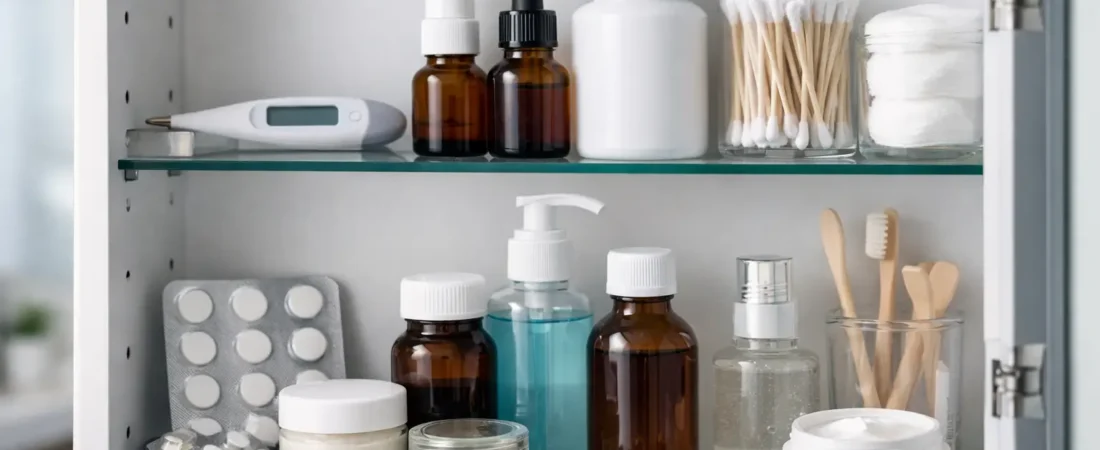
A late-night fever, a splitting headache before work, or a scraped knee right before school pickup all have one thing in common – you do not want to realize you are out of the basics. The best medicine cabinet essentials help you handle everyday health needs fast, with less stress and fewer last-minute pharmacy runs.
A well-stocked cabinet is not about buying everything. It is about keeping the right products on hand for the issues most households run into: pain, allergies, colds, minor cuts, stomach upset, and temperature checks. If you shop online for routine medications, this setup also saves time because you can reorder before you run low instead of scrambling when you need something now.
What the best medicine cabinet essentials should cover
The best medicine cabinet essentials are the items that solve common problems safely and simply. For most adults and families, that means a small group of over-the-counter products, first-aid basics, and a few tools to help you respond quickly.
The goal is not to turn your bathroom into a mini clinic. It is to reduce hassle. A smart cabinet gives you options for everyday symptoms while helping you stay organized enough to know what you have, what is expired, and what needs to be replaced.
What belongs in your cabinet depends on your household. A single adult may only need pain relief, allergy support, and cold medicine. A caregiver may need children’s options, bandages in different sizes, and a thermometer that is easy to use at any hour. If someone in your home deals with seasonal allergies, anxiety-related sleep disruption, or frequent heartburn, your essentials may look different than someone else’s.
Core medicine cabinet essentials for everyday symptoms
Pain relievers are usually the first thing people reach for, and it makes sense to keep at least one reliable option at home. Acetaminophen can be useful for headaches and fever, while ibuprofen may help with inflammation-related pain like muscle aches. Some households keep both because they serve slightly different needs, but labels matter. Dosage, age limits, and health conditions all affect what is appropriate.
Allergy medication earns a permanent spot in most cabinets. Seasonal allergies, dust, and pet dander can all show up without much warning. A non-drowsy antihistamine is often the most practical choice for daytime use, especially if you are working, driving, or managing a busy schedule. If allergies tend to affect you overnight, you may choose a different formula, but it is worth knowing which products can make you sleepy.
Cold and flu relief is another category that saves you time when symptoms hit. The best approach is usually not to stock five versions of the same thing. Keep one or two trusted options that match the symptoms your household gets most often, such as congestion, cough, sore throat, or fever. Combination products can be convenient, but single-symptom medications may be the better fit if you want more control over what you are taking.
Digestive medications are easy to overlook until you need them. Antacids for heartburn, anti-diarrheal medicine, and nausea support can all be useful depending on your routine and travel habits. If your household tends to deal with occasional stomach upset, keeping one product for upper digestive discomfort and one for lower digestive issues is often enough.
First-aid supplies that actually get used
When people think about medicine cabinets, they often focus on pills and syrups. First-aid items deserve equal attention because minor cuts, scrapes, and burns are common.
Adhesive bandages in a few sizes are the basics. Add sterile gauze pads and medical tape for anything that needs more coverage. Antiseptic wipes or wound-cleaning solution help you clean small injuries quickly, and antibiotic ointment can be useful for minor cuts if it is appropriate for your needs.
Hydrocortisone cream is worth having for itching from bug bites, mild rashes, or skin irritation. Aloe gel or a simple burn cream can also help with minor kitchen burns or too much sun. These are not products you use every day, but when you need them, having them within reach makes a big difference.
Disposable gloves are one of the most practical items in any cabinet, especially for caregivers. They keep things cleaner when treating cuts, handling messes, or helping someone who is sick.
Tools that make your cabinet more useful
A thermometer is non-negotiable
If you only keep one tool, make it a digital thermometer. Fever is one of the most common symptoms people need to check, and guessing is not good enough. Choose one that is easy to read and quick to use, especially if you have children or are checking a temperature in the middle of the night.
Measuring tools matter more than people think
Liquid medicine should be measured with the dosing cup, syringe, or spoon that comes with it. If those go missing, keep a proper medication syringe or marked dosing spoon in your cabinet. Kitchen teaspoons are not reliable and can lead to wrong doses.
Organizers save time and reduce mistakes
A small bin system can make the whole cabinet easier to manage. Keep pain relief together, cold and allergy medicine in another section, and first-aid supplies in their own space. This is especially helpful in households where multiple adults share responsibility for refills and care.
What not to keep in a medicine cabinet
The name is a little misleading. Bathroom medicine cabinets are convenient, but heat and humidity can shorten the life of some products. If your bathroom gets steamy from daily showers, a cool, dry cabinet outside the bathroom may be the better place for many medications.
It is also smart to avoid overstocking. More is not always better. Expired products create clutter, and too many similar medications can increase the chance of taking the wrong one or doubling up on active ingredients.
Be careful with children’s and adult medications stored side by side. They should be clearly separated and always kept out of reach. Child-resistant packaging helps, but it is not a substitute for safe storage.
How to choose the best medicine cabinet essentials for your household
The right setup depends on your real life, not an ideal checklist. If you travel often, prioritize portable basics and digestive support. If you have school-age kids, fever reducers, bandages, and cough relief may matter more. If you deal with recurring allergies, keep your go-to medication in stock year-round instead of waiting for symptoms to return.
Think in terms of common scenarios. What do you usually need on a Sunday night, before an early meeting, or when someone wakes up feeling sick? That question leads to a much more useful cabinet than buying products just because they appear on generic lists.
This is also where online ordering can genuinely save you time and hassle. When you know which products your household uses regularly, reordering from a trusted source is easier than making emergency store trips. For busy adults and caregivers, that convenience matters as much as the products themselves.
Best medicine cabinet essentials checklist without the clutter
If you want a lean, useful setup, focus on these categories: pain and fever relief, allergy support, cold and cough medication, digestive relief, wound care, itch relief, and a thermometer. That covers most day-to-day needs without turning your cabinet into a pile of half-used boxes.
Then review it every few months. Check expiration dates, replace opened or damaged items, and restock anything running low. This takes ten minutes and prevents the all-too-common problem of finding an empty bottle when you need it most.
If someone in your household uses routine medications, keep those separate from shared over-the-counter products. That small step helps avoid confusion and makes refills easier to track. For many shoppers, using a reliable online source like buymeds.online also makes it simpler to stay ahead on essentials instead of reacting at the last minute.
A good medicine cabinet does not need to be perfect. It just needs to be ready when real life happens, which is usually at the worst possible time.